Introduction
The Florida panther (Puma concolor coryi) is one of North America’s
All most endangered mammals and among the rarest big cats in the world. Once roaming freely across much of the southeastern United States, this charismatic predator is now confined to fragmented pockets of southwestern Florida, primarily in and around the Everglades and Big Cypress ecosystems. Its decline tells a dramatic story of habitat loss, human pressures, genetic isolation, and heroic conservation efforts
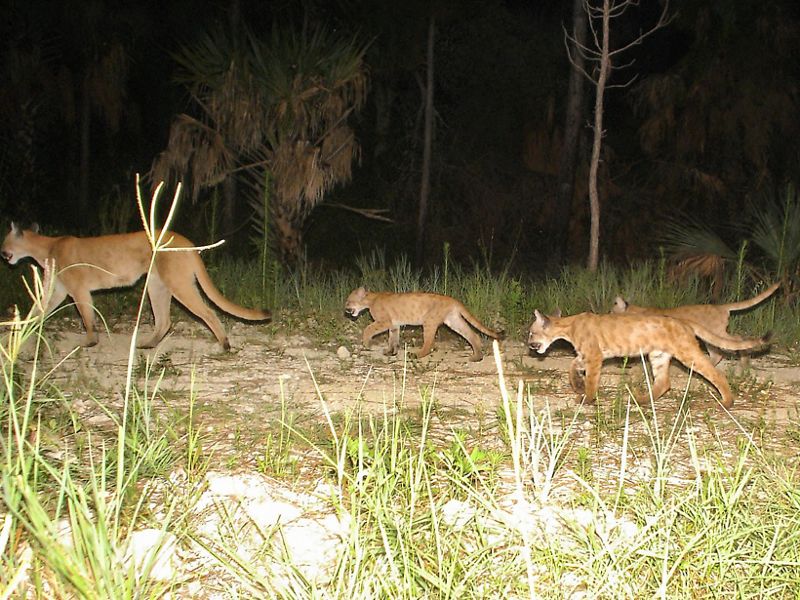
Why Florida panthers are endangered
History of their decline
Scientific efforts to save the species
Major threats still facing the panther
Conservation successes and future needs
Historical Context: Once Widespread, Now Restricted
Historically, Florida panthers ranged across much of the southeastern U.S., including parts of Florida, Georgia, Alabama, Mississippi, Louisiana, and beyond. They were hunted relentlessly during the 19th and early 20th centuries due to fear, livestock conflicts, and bounty incentives. By the mid-1900s, panthers were nearly eradicated from most of their range.
By the 1970s, estimates suggested only about 20 to 30 individuals remained in the wild — a catastrophic collapse that left the population vulnerable to genetic problems and demographic instability. That same decade, in 1967, the Florida panther was among the first animals listed as “Endangered” under U.S. conservation law — first under the Endangered Species Preservation Act and later under the Endangered Species Act of 1973.
Population Today: Small Numbers, Big Challenges
Today’s estimated wild population of Florida panthers hovers around 120 to 230 adults — a dramatic improvement over the tiny numbers of the 1970s, but still perilously low for long-term viability
That population is confined to less than 5% of its historical range, primarily south of the Caloosahatchee River in southwest Florida. Within this constrained area, panthers occupy wetlands, pine forests, swamps, and sawgrass marshes — landscapes increasingly encroached upon by human development.
Why Florida Panthers Are Endangered
1. Habitat Loss and Fragmentation
The most critical threat remains habitat loss and fragmentation. Florida’s human population has grown rapidly — millions of acres of natural lands have been converted to housing developments, agriculture, roads, and commercial uses. As a result:
- Panther habitat is divided into isolated patches
- Panthers cannot safely roam, find mates, or expand their territory
- Genetic exchange is limited, increasing inbreeding risks
Panthers are wide-ranging animals. Adult males may require territories of up to 200 square miles, and females need large home ranges as well. But much of that space has been lost or severed by highways and urban encroachment.
2. Vehicle Collisions
As highways and subdivisions slice through panther territory, vehicle collisions have become a leading cause of death. In recent years, dozens of panthers have been killed on roads annually, and certain highways — like Alligator Alley (I-75) — are notorious mortality hotspots.
Despite some mitigation measures (like wildlife fencing and underpasses), cars and trucks remain a major threat for this small population.
3. Genetic Challenges and Inbreeding
With such a tiny population remaining in isolation, Florida panthers suffered severe genetic bottlenecks. In the 1970s and ’80s, panthers displayed numerous genetic defects — kinked tails, heart problems, reduced fertility, and low immune function — all signs of inbreeding depression.
To counter this, conservationists initiated an innovative genetic rescue in the 1990s by introducing eight female pumas from Texas into the Florida population. These Texas panthers bred with native panthers, boosting genetic diversity and improving health.
Recent scientific studies confirm that this genetic intervention succeeded in increasing heterozygosity — genetic diversity — which has reduced the expression of harmful mutations. Importantly, the unique genetic identity of the Florida panther was not lost in the process.
However, scientists caution that the benefits may be temporary unless the overall population continues to grow. With fewer than 300 panthers total, harmful genes could still resurface over time, and long-term monitoring and management will remain essential.
4. Other Threats: Disease, Pollution, and Territorial Competition
Additional challenges compound the panther’s struggle:
- Disease — infections like feline leukemia and a mysterious neurological disorder have been documented among panthers.
Pollution — contaminants like mercury accumulate through the food chain, potentially harming panthers’ health.
Territorial disputes — as habitat shrinks, panther-to-panther conflict rises, particularly among males vying for limited territory and mates.
Conservation Efforts: A Story of Success and Vigilance
Despite the many threats, efforts to save the Florida panther represent one of the more remarkable conservation stories in North America. Key strategies include:
🌿 Legal Protections
Since its listing as endangered in 1967, federal protections under the Endangered Species Act have safeguarded panthers from hunting and habitat destruction.
🌎 Habitat Protection and Corridor Initiatives
National Wildlife Refuges, preserves, and conservation partnerships have protected key lands. Efforts focus not just on preserving current habitat but also creating corridors that allow panthers to move, breed, and expand northward beyond the Caloosahatchee River — vital for long-term recovery.
🔬 Genetic Restoration and Monitoring
The introduction of Texas pumas in the 1990s was a bold and somewhat controversial move that has paid dividends. Genetic studies show improved diversity and reduced inbreeding issues, though ongoing monitoring remains crucial.
🚧 Infrastructure Mitigation
Efforts to reduce road mortality include wildlife fencing, underpasses, and targeted land management near high-kill zones. These measures have saved many panthers, though much more remains to be done.
📣 Advocacy and Policy Action
Organizations like the Florida Wildlife Federation, Defenders of Wildlife, National Wildlife Refuge Association, and many local groups continue to advocate for smart development policies, public awareness, and funding for panther conservation.
What Must Happen Next? — The Path to Recovery
Scientists and conservationists agree that full recovery — including removal from the endangered list — is still a long way off. According to research:
- There must be multiple viable populations, not just a single small group in southwest Florida.
- Habitat corridors must connect isolated patches and let panthers expand into central and northern Florida. National Geographic
- Continued genetic monitoring and potential future interventions might be needed.
The criteria for down-listing Florida panthers from “Endangered” to “Threatened” are extremely strict — requiring sustained population growth and habitat security that far exceed current conditions.
Conclusion: Why Florida Panthers Matter
The Florida panther is not just a species in peril; it is an ecological indicator — a symbol of the health of Florida’s wildlands. Its survival matters because:
- Panthers help regulate populations of prey species, maintaining ecosystem balance.
- Protecting panther habitat conserves countless other species and natural systems.
- Their story highlights the consequences of unchecked development and the power of coordinated conservation action.
In protecting the Florida panther, we protect a piece of wild Florida — and the future of biodiversity in one of the most rapidly changing landscapes on Earth.